
What Is Polyester Neoprene? Properties, Uses, and Sourcing Guide
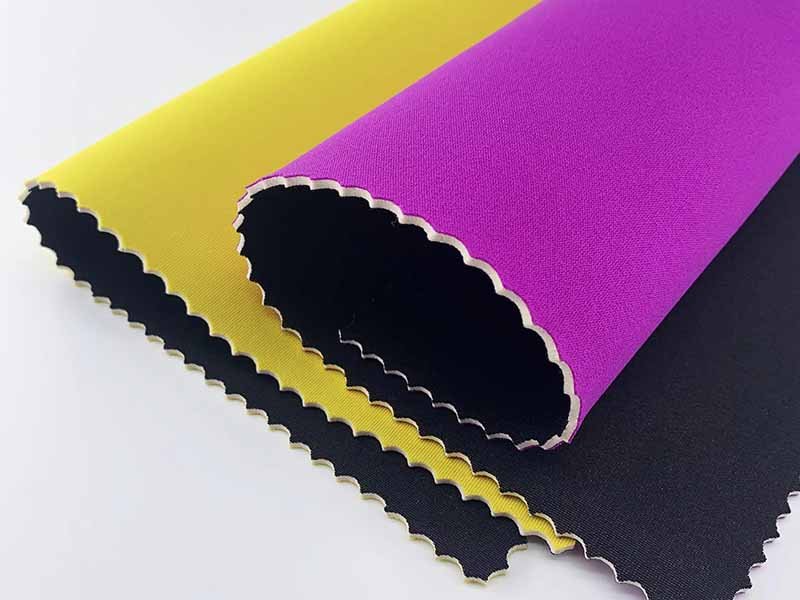
Ever wondered why so many sports brands, travel accessory makers, and outdoor gear companies are turning to polyester neoprene for their products? From wetsuits to laptop sleeves to luggage handle wraps, polyester neoprene has become a go-to material for businesses that need comfort, durability, water resistance, and style in one package.
Polyester neoprene is a synthetic rubber (neoprene) laminated with polyester fabric, offering durability, water resistance, thermal insulation, and flexibility. It’s widely used in sports gear, protective covers, and custom OEM/ODM products because it combines neoprene’s cushioning with polyester’s strength and printability.
But here’s the twist: most buyers only see the finished product, not the material science or sourcing challenges behind it. Choosing the right neoprene grade, thickness, and supplier can be the difference between a product that delights customers and one that disappoints. Let’s break it down with real-world insights, so by the end, you’ll know exactly why polyester neoprene might be the material your brand needs—and how to source it smartly.
What Is Polyester Neoprene and How Is It Made?
Polyester neoprene is created by laminating polyester fabric onto neoprene foam sheets using heat and adhesive bonding. The neoprene core provides cushioning, flexibility, and water resistance, while the polyester outer layer adds strength, durability, and easy printing or dyeing options for branding and customization.
Polyester neoprene starts with polychloroprene rubber, commonly known as neoprene. It is formed into foam sheets with a closed-cell structure—tiny nitrogen bubbles trapped inside—making it naturally buoyant, insulating, and water-resistant.
Then, manufacturers apply polyester fabric layers to one or both sides of the foam using:
- Heat lamination: A smooth, glue-free process for clean bonding.
- Adhesive lamination: Using special bonding agents for thicker or specialty fabrics.
This creates a sandwich structure: polyester fabric + neoprene foam + polyester fabric.
Why polyester?
- Printability: Logos, patterns, and colors adhere better to polyester than nylon or bare neoprene.
- Abrasion Resistance: Polyester withstands scuffs and scratches, extending product life.
- Cost Efficiency: It’s more affordable than premium alternatives like nylon neoprene while offering similar performance for many applications.
Manufacturing Considerations
| Parameter | Typical Range | Impact on Performance |
|---|---|---|
| Neoprene Thickness | 1.5–10 mm | Thicker = more cushioning/insulation |
| Polyester Fabric Weight | 150–300 g/m² | Heavier = stronger, less stretchy |
| Lamination Method | Heat / Adhesive | Heat = cleaner, adhesive = versatile |
| Density of Neoprene | 100–150 kg/m³ | Higher density = more durability |
This flexibility in production explains why polyester neoprene serves so many industries, from fashion to automotive.
Which Properties Make Polyester Neoprene Popular in Manufacturing?
Polyester neoprene is popular because it combines neoprene’s cushioning, water resistance, and insulation with polyester’s strength, printability, and abrasion resistance. It’s flexible yet durable, easy to cut and sew, and supports bright designs for branding, making it ideal for custom OEM/ODM products across industries.
When businesses evaluate materials, they look at a mix of mechanical, chemical, and aesthetic properties. Polyester neoprene scores high on multiple fronts:
Mechanical Strength & Flexibility
- Retains shape under stretching, bending, and moderate loads.
- Outperforms plain neoprene in resistance to surface wear.
Thermal & Water Resistance
- Closed-cell neoprene resists water absorption (<5%).
- Maintains thermal insulation for wetsuits, drink holders, or laptop sleeves.
Aesthetic Versatility
- Polyester outer layers accept sublimation printing, heat transfer, and screen printing.
- Brands can create custom colors, logos, patterns without sacrificing durability.
Chemical & UV Resistance
- Handles sweat, seawater, oils better than many rubbers.
- Polyester fabric resists fading longer under sunlight than nylon equivalents.
Comparison Table: Polyester vs Nylon vs Bare Neoprene
| Property | Polyester Neoprene | Nylon Neoprene | Bare Neoprene |
|---|---|---|---|
| Printability | Excellent (sublimation OK) | Limited | None |
| Abrasion Resistance | High | Medium | Low |
| Water Resistance | High (foam core closed-cell) | High | Medium |
| UV Resistance | Good | Good | Poor |
| Cost Efficiency | High | Medium | Low (unfinished look) |
This balance of cost, performance, and branding potential explains why polyester neoprene dominates OEM/ODM projects like laptop sleeves, sports braces, and luggage accessories.
How Is Polyester Neoprene Used in Different Industries?
Polyester neoprene is used in sports gear, fashion accessories, protective covers, automotive interiors, and promotional products. Its combination of cushioning, water resistance, and branding flexibility makes it ideal for OEM/ODM manufacturers serving lifestyle, outdoor, and technical markets.
Let’s look at the five biggest application areas:
Sports & Outdoor Gear
- Wetsuits, knee/elbow braces, gym gloves, yoga mats.
- Properties valued: stretchability, thermal insulation, moisture resistance.
Fashion & Travel Accessories
- Laptop sleeves, tote bags, cosmetic pouches, luggage handle wraps.
- Focus: aesthetics + branding (logos, patterns).
Medical & Orthopedic Supports
- Compression sleeves, posture correctors, protective pads.
- Needs: skin-friendly coatings, consistent elasticity.
Automotive & Marine
- Seat covers, steering wheel wraps, boat cushions.
- Exposure: heat, UV, saltwater → polyester laminates resist fading/cracking.
Promotional Products & OEM Branding
- Koozies, custom merchandise, private label giveaways.
- Low MOQ + custom printing = big appeal for small businesses.
Case Example:
A U.S. fitness brand sourced 3 mm polyester neoprene wrist wraps from Szoneier with custom sublimation prints. Result: a 40% faster product launch thanks to low MOQ sampling and 15-day bulk lead time.
Do Polyester Neoprene Products Offer Better Performance Than Alternatives?
Yes. Compared to plain neoprene or fabric-only materials, polyester neoprene offers better durability, design flexibility, and weather resistance while keeping costs moderate. However, for ultra-premium needs like maximum UV resistance or ultra-thin fashion fabrics, alternatives may sometimes outperform it.
Performance depends on application priorities:
- For branding: Polyester neoprene beats nylon neoprene due to print clarity.
- For comfort: Thinner fabrics like Lycra laminates may feel softer but wear out faster.
- For extreme environments: Specialized coatings (e.g., CR neoprene with Kevlar) may resist harsher conditions but cost more.
Pros vs Cons Table
| Aspect | Polyester Neoprene Pros | Possible Cons / Limits |
|---|---|---|
| Cost-Performance | Affordable + Durable | Slightly pricier than fabric-only |
| Branding Flexibility | Full-color printing possible | Limited stretch vs Lycra blends |
| Water/Thermal Resistance | Excellent closed-cell core | Not as breathable as fabrics |
| UV / Chemical Stability | Resists fading, oils, sweat | Extreme UV may still degrade slowly |
Conclusion: For most mid-range OEM/ODM needs—bags, sports gear, promotional items—polyester neoprene hits the sweet spot of cost, performance, and customization.
Are There Environmental or Safety Considerations With Polyester Neoprene?
Polyester neoprene can meet environmental standards if made with REACH, RoHS, or OEKO-TEX® certified materials. Some manufacturers now offer recycled polyester laminates or water-based adhesives to reduce VOC emissions and improve sustainability.
Traditional neoprene production involves chloroprene monomers and chemical adhesives. Modern factories adopt:
- Water-based adhesives → lower VOC emissions.
- Recycled polyester fabrics → made from PET bottles.
- Eco-friendly dyes & coatings → reduce water pollution.
Certifications to Check:
| Certification | Focus Area | Why It Matters |
|---|---|---|
| OEKO-TEX® Standard 100 | Human-ecological safety | Ensures no harmful residues |
| REACH Compliance | Chemical safety (EU) | Legal requirement in many markets |
| RoHS | Heavy metals, toxins | For electronics, medical items |
Szoneier, for example, offers OEKO-TEX® certified polyester neoprene for brands selling in Europe and North America, ensuring smooth import compliance.
How Do You Choose the Right Polyester Neoprene for Your Project?
Choose polyester neoprene based on thickness, density, fabric weight, printing needs, and end-use conditions. For OEM projects, consider supplier MOQs, lead times, certifications, and ability to provide free samples before bulk production.
Selection Checklist:
- Thickness: 2–3 mm for bags, 5+ mm for protective gear.
- Density: Higher = better durability, lower = lighter weight.
- Printing: Sublimation needs white polyester layer; screen printing allows bold colors.
- MOQ & Lead Time: Small brands need low MOQ + fast samples (<10 days).
- Compliance: Certifications simplify international sales.
| Application | Recommended Thickness | Printing Option | MOQ Flexibility |
|---|---|---|---|
| Laptop Sleeves | 3–4 mm | Sublimation / Screen | 200–500 pcs |
| Sports Braces | 4–5 mm | Heat Transfer Print | 300–800 pcs |
| Promotional Koozies | 2–3 mm | Full Color Sublimation | 100–300 pcs |
Which Suppliers Offer Custom Polyester Neoprene Products?
Look for suppliers with OEM/ODM experience, low MOQ options, free sampling, and certifications. Companies like Szoneier specialize in custom polyester neoprene products with fast lead times, in-house R&D, and global export support.
Key Supplier Criteria:
- Experience: 10+ years in neoprene R&D & manufacturing.
- Production Capacity: Multiple lamination lines, CNC cutting, stitching workshops.
- Customization: Logos, colors, packaging, private label options.
- Sampling Speed: 5–10 days for prototypes, 15–25 days bulk lead time.
- Global Shipping Support: DDP, CIF, or FOB terms for Europe, US, Asia.
Szoneier offers free design support, 100% quality guarantee, and low MOQs for startups and mid-sized brands.
Is Polyester Neoprene the Right Choice for Your Application?
Polyester neoprene is ideal if you need durable, water-resistant, customizable materials for sports gear, fashion accessories, or promotional items. For ultra-lightweight or luxury needs, alternatives like Lycra blends or leather laminates may suit better, but polyester neoprene offers the best balance for most OEM projects.
Ask these before finalizing:
- Is branding critical (logos, full-color patterns)? Polyester neoprene = yes.
- Is cost a factor? It’s cheaper than nylon neoprene, pricier than plain fabric.
- Is durability vital? It handles abrasion, moisture, and UV well.
For 80% of typical OEM/ODM needs—from bags to braces to bottle sleeves—polyester neoprene delivers a reliable, cost-effective, and brand-friendly solution.
Conclusion
Polyester neoprene combines functionality, durability, and aesthetics like few other materials. Whether you’re designing sports gear, fashion accessories, or promotional merchandise, it offers the right mix of performance and customization for modern brands.
At Szoneier, with over 18 years of manufacturing expertise, we provide:
- Low MOQ custom polyester neoprene products
- Free samples & design support
- Fast sampling (5–10 days) & bulk production (15–25 days)
- Certified materials for EU & US compliance
Contact us today to discuss your OEM/ODM project.
What Can I Do For You?
Here, developing your OEM/ODM private label leather goods collection is no longer a challenge,it’s an excellent opportunity to bring your creative vision to life.