
What is a Neoprene Calf Sleeve? A Complete Guide
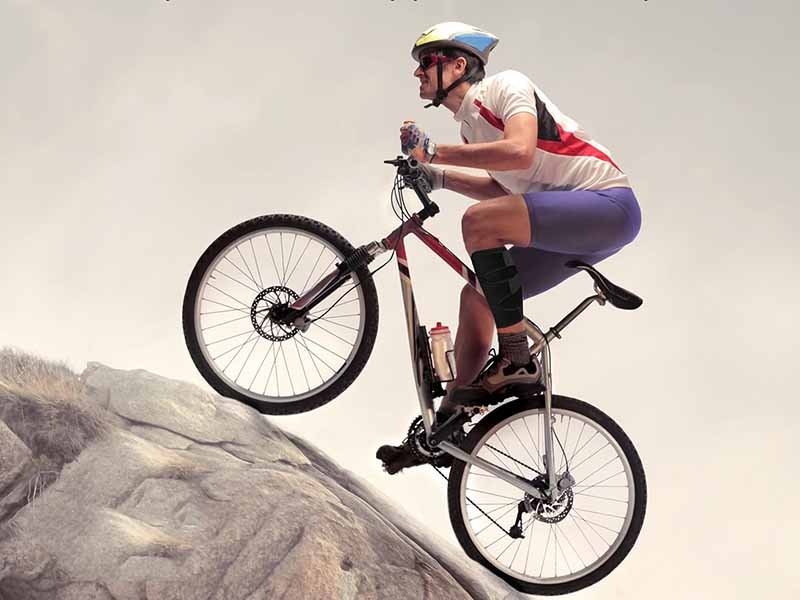
For runners, basketball players, gym-goers, and even people recovering from leg injuries, calf pain or muscle fatigue can quickly derail training schedules or daily mobility. This is where neoprene calf sleeves come in—popular among athletes, physiotherapists, and weekend warriors alike. But what exactly is a neoprene calf sleeve, and why has it become such a go-to accessory in sports medicine and fitness?
A neoprene calf sleeve is a compression support garment made from stretchable neoprene material, designed to wrap around the calf muscles. It provides warmth, stabilizes muscles, improves blood circulation, reduces fatigue, and supports recovery from injuries like shin splints or cramps. Its balance of flexibility, compression, and durability makes it ideal for athletes, post-surgery patients, and anyone seeking muscle support during daily activities or sports training.
Imagine a marathon runner struggling with shin splints who switches to a neoprene calf sleeve during training. Within weeks, they report reduced pain, better endurance, and quicker post-run recovery—all thanks to this simple yet effective accessory. In this article, we’ll explore how neoprene calf sleeves work, different types available, their benefits, and tips for choosing or customizing the perfect one for your needs.
What Exactly is a Neoprene Calf Sleeve and How Does It Work?
A neoprene calf sleeve is a compression garment made from flexible neoprene material, designed to support the calf muscles by improving circulation, stabilizing soft tissue, and reducing fatigue or injury risk. It works by applying uniform pressure around the calf, providing warmth, and minimizing muscle vibrations during exercise. This combination helps athletes recover faster, perform better, and prevent common issues like shin splints, cramps, or calf strains during training or daily activities.
Understanding the Basics of Neoprene Calf Sleeves
Calf injuries are among the most common problems for athletes and fitness enthusiasts. From mild muscle tightness to serious strains, these injuries often result from overuse, insufficient warm-up, or sudden explosive movements. A neoprene calf sleeve is designed to address these issues through a simple but effective principle: compression and thermal support.
1. Material Science Behind Neoprene
Neoprene is a synthetic rubber known for its flexibility, durability, and thermal insulation. When used in calf sleeves:
- It provides gentle, consistent compression to the calf muscles.
- It retains body heat, improving blood circulation and muscle elasticity.
- It offers stretchability, allowing free movement without compromising support.
This makes neoprene an ideal material for both performance enhancement and injury recovery.
2. How Compression Helps the Calf Muscles
Compression works by reducing the diameter of blood vessels slightly, increasing the speed of blood flow through the area. This leads to:
- More oxygen delivery to working muscles
- Faster removal of lactic acid and metabolic waste
- Lower muscle oscillation, reducing micro-tears during running or jumping
As a result, users often report less soreness after intense workouts when wearing calf sleeves.
| Effect of Compression | Performance Benefit | Recovery Benefit |
|---|---|---|
| Improved blood circulation | Enhanced endurance | Faster healing after strain |
| Reduced muscle oscillation | Better sprinting efficiency | Less muscle soreness |
| Controlled swelling | Stabilized calf muscles | Lower risk of re-injury |
3. Thermal Support for Injury Prevention
Neoprene’s heat-retention property creates a mild warming effect around the calf muscles. Warm muscles:
- Are less prone to sudden tears
- Maintain elasticity during cold-weather training
- Promote nutrient delivery for cellular repair
This is why many physiotherapists recommend calf sleeves during both rehabilitation phases and warm-up routines.
4. Real-World Applications
- Runners wear neoprene calf sleeves to prevent shin splints on long runs.
- Soccer players use them to reduce calf cramps during tournaments.
- Patients recovering from surgery benefit from improved circulation in the lower legs, reducing swelling and discomfort.
5. OEM/ODM Opportunities for Brands
For businesses, neoprene calf sleeves offer customization options:
- Varying thickness (3mm, 5mm) for different support levels
- Logo printing for private label brands
- Custom sizing & packaging for sports clinics or retail chains
This flexibility explains why global brands partner with experienced manufacturers like Szoneier for bulk, customized production.
Which Types of Neoprene Calf Sleeves Are Available on the Market?
The main types of neoprene calf sleeves include slip-on sleeves for everyday use, adjustable strap designs for targeted compression, open-heel or open-toe versions for breathability, and medical-grade braces for post-injury recovery. Hybrid models may combine neoprene with elastic fabrics or reinforced panels for athletes needing extra stability. Choosing the right type depends on activity level, injury severity, and comfort preferences, ensuring optimal performance, support, and durability for sports or rehabilitation needs.
Exploring the Different Types of Neoprene Calf Sleeves
Not all neoprene calf sleeves are created equal. The right design depends on what the user needs—is it for daily muscle fatigue prevention, sports performance, or post-surgery recovery? Let’s break down the common types available on the market.
1. Slip-On Neoprene Calf Sleeves
- Description: Basic cylindrical sleeves made from 3mm or 5mm neoprene.
- Best for: Runners, gym-goers, everyday users needing light to moderate compression.
- Pros: Lightweight, easy to wear, fits under clothing, affordable.
- Cons: Less customizable compression, may not suit severe injuries.
Use Case: A marathon runner uses slip-on sleeves to reduce calf vibrations and post-run soreness.
2. Adjustable Strap Designs
- Description: Neoprene sleeve with Velcro straps to fine-tune compression levels.
- Best for: Athletes recovering from moderate strains needing variable support.
- Pros: Adjustable tightness, better stabilization, reusable after injuries.
- Cons: Slightly bulkier than slip-on versions, may need correct fitting guidance.
Use Case: A soccer player recovering from a Grade II calf strain prefers adjustable compression during training phases.
3. Open-Toe or Open-Heel Versions
- Description: Calf sleeves with open designs for ventilation and reduced heat buildup.
- Best for: Hot climates, long-duration wear, or users with sensitive skin.
- Pros: Better breathability, comfort for extended daily use.
- Cons: Less warmth retention for cold-weather training.
Use Case: A tennis player in Florida uses open-toe neoprene sleeves for sweat control during matches.
4. Medical-Grade Neoprene Braces
- Description: Sleeves with additional panels, reinforced stitching, or built-in stays for stability.
- Best for: Post-surgery rehabilitation, physiotherapy patients, or severe calf strains.
- Pros: High compression, superior support, often recommended by healthcare professionals.
- Cons: Higher cost, less discreet under clothing.
Use Case: A post-surgical patient uses medical-grade braces for controlled compression and reduced swelling during recovery.
5. Hybrid or Performance-Oriented Models
- Description: Combine neoprene with elastic or mesh panels for a balance between support and ventilation.
- Best for: Athletes seeking all-day wear with moisture-wicking comfort.
- Pros: Durable, lightweight, enhanced breathability, premium appearance.
- Cons: Higher price point, less thermal insulation than solid neoprene.
Use Case: A cyclist prefers hybrid sleeves for long-distance rides, avoiding overheating while maintaining support.
| Type of Sleeve | Support Level | Compression Adjustability | Best For | Breathability |
|---|---|---|---|---|
| Slip-On Neoprene Sleeve | Light–Medium | Fixed | Runners, gym-goers | Moderate |
| Adjustable Strap Design | Medium | High | Injury recovery, athletes | Moderate |
| Open-Toe/Heel Versions | Light–Medium | Fixed | Hot climate, long-duration wear | High |
| Medical-Grade Braces | High | Moderate–High | Post-surgery, physiotherapy patients | Low–Moderate |
| Hybrid Performance Models | Medium | Moderate | Endurance sports, premium buyers | High |
How Do Neoprene Calf Sleeves Benefit Runners, Athletes, and Recovery Patients?
Neoprene calf sleeves benefit runners, athletes, and recovery patients by improving blood circulation, reducing muscle fatigue, stabilizing soft tissue, and accelerating post-injury healing. They provide warmth for flexibility, compression for reduced swelling, and vibration control for less muscle damage. Whether preventing shin splints in runners, supporting muscle recovery in athletes, or aiding post-surgical rehabilitation, neoprene calf sleeves offer a versatile and cost-effective solution for performance enhancement and injury prevention.
Performance and Recovery Advantages of Neoprene Calf Sleeves
Neoprene calf sleeves have become a staple in the sports and medical industries for one simple reason: they deliver tangible results for both performance improvement and injury management. Let’s break down the major benefits in detail.
1. Enhanced Blood Circulation
The gentle, even pressure applied by neoprene sleeves supports venous return—the flow of blood back to the heart. Improved circulation leads to:
- More oxygen supply to working muscles
- Faster removal of metabolic waste like lactic acid
- Reduced risk of deep vein thrombosis (DVT) during long flights or immobilization
For athletes, this means better endurance and less soreness after intense workouts.
2. Muscle Stabilization and Reduced Vibration
During running or jumping, calf muscles experience repetitive micro-traumas due to vibrations. Neoprene sleeves minimize this oscillation, leading to:
- Lower muscle fatigue
- Fewer micro-tears
- Enhanced proprioception (the sense of joint and muscle position), reducing injury risk
A study in the Journal of Sports Science & Medicine found that compression wear reduced muscle oscillation by up to 30% during high-impact activities.
3. Thermal Insulation for Flexibility
Neoprene retains body heat, keeping muscles warm even in cold environments. Warm muscles:
- Stretch more effectively
- Suffer fewer strains during sudden movements
- Maintain better elasticity under load
This is particularly valuable for winter sports or early-morning training sessions.
4. Post-Injury and Post-Surgery Rehabilitation
For patients recovering from calf strains, Achilles tendon injuries, or surgeries, neoprene sleeves:
- Control swelling through compression
- Provide mild support without limiting mobility
- Encourage gradual return to physical activity
Physiotherapists often recommend neoprene sleeves for Grade I–II muscle strains during the recovery phase.
5. Psychological Confidence for Athletes
Injury recovery isn’t just physical—it’s mental. Wearing a supportive brace gives athletes confidence to resume training without fear of re-injury, accelerating the return-to-play timeline.
6. Cost-Effective and Accessible Solution
Compared to custom orthotics or medical-grade devices, neoprene calf sleeves offer an affordable, widely available alternative with proven benefits for both professional and recreational users.
| Benefit Category | Neoprene Sleeve Advantage | Example User Scenario |
|---|---|---|
| Blood Circulation | Faster oxygen delivery | Marathon runner post-training |
| Muscle Stabilization | Reduced vibrations & fatigue | Basketball player during tournaments |
| Thermal Support | Fewer cold-weather strains | Winter athletes, early-morning runners |
| Injury Rehabilitation | Controlled swelling & recovery | Physiotherapy patients post-surgery |
| Psychological Confidence | Safe return to sports | Athletes after muscle strain |
Do Neoprene Calf Sleeves Help with Shin Splints, Cramps, and Calf Pain?
Yes, neoprene calf sleeves help with shin splints, cramps, and calf pain by improving circulation, reducing muscle vibration, and providing warmth to prevent stiffness. They apply gentle compression to stabilize the calf muscles and soft tissues, relieving strain during exercise and speeding up post-activity recovery. Studies in sports medicine suggest that calf sleeves reduce fatigue-induced muscle damage, minimize pain flare-ups, and support rehabilitation from common lower leg injuries.
Pain Relief and Injury Prevention with Neoprene Calf Sleeves
Calf pain and shin splints are among the most common complaints for runners, basketball players, hikers, and field athletes. These conditions often result from overuse, poor biomechanics, or sudden training intensity spikes. Neoprene calf sleeves provide a multi-mechanism solution to address pain, prevent further injury, and support recovery.
1. Shin Splints: Stabilization and Impact Reduction
Shin splints, or medial tibial stress syndrome, occur when repeated stress inflames the muscles and tendons along the shinbone. Neoprene sleeves help by:
- Reducing vibration forces during running or jumping
- Improving blood flow to damaged tissues for faster healing
- Providing proprioceptive feedback to correct movement patterns
Example: A study in the British Journal of Sports Medicine found compression garments reduced pain severity in shin splint patients by up to 28% during rehabilitation programs.
2. Calf Cramps: Heat and Circulation Benefits
Calf cramps typically stem from dehydration, electrolyte imbalance, or fatigue. The warmth from neoprene sleeves keeps muscles relaxed, while compression improves circulation, reducing cramp frequency and intensity.
- During Exercise: Sleeves maintain muscle elasticity to lower spasm risk.
- Post-Exercise: Enhanced circulation helps clear metabolic waste linked to cramping.
Athletes in high-endurance sports like cycling or marathons often use neoprene calf sleeves as part of cramp prevention strategies.
3. General Calf Pain: Multi-Level Support
For everyday users with calf pain from long standing hours or mild strains, neoprene sleeves provide:
- Mild compression therapy for swelling reduction
- Thermal effects to ease muscle stiffness
- Psychological comfort for resuming activities sooner
Healthcare professionals often recommend them alongside stretching routines and hydration plans for long-term relief.
4. Comparing Effectiveness with Other Solutions
| Condition | Neoprene Sleeve Role | Additional Measures | Expected Benefit |
|---|---|---|---|
| Shin Splints | Impact reduction, stabilization | Physiotherapy, orthotics | Faster pain relief |
| Calf Cramps | Improved circulation, warmth | Hydration, electrolyte supplements | Reduced cramp frequency |
| General Calf Pain | Swelling control, support | Rest, gradual activity return | Lower discomfort, faster healing |
5. From Prevention to Recovery
Neoprene calf sleeves act on both ends of the spectrum—preventing injuries in healthy athletes and accelerating recovery in those already injured. This dual function explains their popularity among professionals and recreational users alike.
Is Neoprene Safe and Comfortable for Daily or Long-Term Wear?
Yes, neoprene calf sleeves are generally safe and comfortable for daily or long-term wear if made with high-quality, latex-free materials and worn correctly. Modern neoprene blends feature moisture-wicking liners, perforated panels for ventilation, and skin-friendly finishes to reduce irritation. Proper cleaning, sizing, and periodic breaks ensure long-term comfort and prevent odor buildup or skin issues, making neoprene sleeves suitable for athletes, workers, and recovery patients seeking continuous support.
Safety, Comfort, and Maintenance Considerations
For athletes, healthcare workers, or patients recovering from injuries, calf sleeves often stay on for hours every day. This raises critical questions: Will neoprene irritate the skin? Can it handle sweat and heat? Is long-term compression healthy? Let’s examine these concerns in detail.
1. Skin Safety and Modern Material Improvements
Older-generation neoprene products were sometimes criticized for causing rashes or discomfort due to poor ventilation. Today, advanced manufacturing techniques have solved most of these issues:
- Latex-free neoprene reduces allergic reactions.
- Nylon or polyester inner linings create a soft, breathable barrier between the neoprene and skin.
- Perforated neoprene panels improve airflow without sacrificing compression.
Brands like Szoneier use OEKO-TEX® certified materials, ensuring products meet international safety standards for prolonged skin contact.
2. Moisture and Odor Management
Sweat accumulation can lead to odor or bacterial growth if not managed properly. Modern neoprene calf sleeves include:
- Moisture-wicking fabrics to keep skin dry
- Anti-bacterial coatings for odor control
- Quick-dry properties to allow easy washing and re-use
Healthcare professionals recommend cleaning sleeves 2–3 times per week for hygiene and durability.
| Hygiene Factor | Best Practice | Frequency |
|---|---|---|
| Cleaning | Hand-wash in mild soap, air dry | 2–3 times/week |
| Odor Prevention | Use sports gear deodorizer spray | Weekly |
| Visual Inspection | Check for tears or stitching wear | Monthly |
| Replacement Cycle | Replace sleeves every 6–12 months | As needed |
3. Daily Wear and Break Recommendations
While neoprene sleeves provide gentle compression, continuous 24-hour use isn’t ideal. Medical guidelines suggest:
- Wearing sleeves during activity or recovery periods
- Taking short breaks every 4–6 hours for skin ventilation
- Removing them overnight unless prescribed by a doctor
This balances compression benefits with skin health and comfort.
4. Climate Considerations
- Cold climates: Full-thickness neoprene (5mm) offers warmth and compression.
- Hot climates: Perforated, thin neoprene (3mm) with open-heel designs prevents overheating.
Buyers sourcing for multiple markets often request climate-specific OEM designs to meet regional needs.
5. Psychological and Physical Comfort
Studies show compression garments like neoprene calf sleeves not only improve physical recovery but also provide a sense of security, reducing anxiety about re-injury during sports or work activities.
How to Choose the Right Neoprene Calf Sleeve for Your Needs?
To choose the right neoprene calf sleeve, consider factors like injury severity, activity type, desired compression level, thickness (3mm vs. 5mm), sizing for proper fit, and additional features like ventilation panels or adjustable straps. Athletes may prioritize breathability and flexibility, while recovery patients need higher compression and stability. Brands ordering OEM sleeves can customize thickness, colors, logos, and packaging to meet specific market demands or private label requirements.
A Buyer’s Guide to Selecting the Perfect Neoprene Calf Sleeve
The “best” neoprene calf sleeve isn’t one-size-fits-all. Whether you’re a runner, a patient recovering from surgery, or a sports retailer sourcing OEM products, choosing the right sleeve means balancing performance, comfort, and design features.
1. Injury Severity and Support Levels
Calf injuries are often classified into Grade I, II, or III based on severity:
| Injury Grade | Typical Symptoms | Recommended Sleeve Type |
|---|---|---|
| Grade I (Mild) | Minor soreness, light swelling | 3mm slip-on sleeve for daily support |
| Grade II (Moderate) | Partial muscle tear, moderate pain | 3–5mm adjustable sleeve with straps |
| Grade III (Severe) | Complete tear, post-surgery recovery | 5mm medical-grade reinforced sleeve |
For mild prevention or everyday fatigue, a lightweight slip-on sleeve works. For rehabilitation, thicker adjustable models offer better compression and stabilization.
2. Activity Type: Sports vs. Recovery vs. Daily Wear
- Runners & Athletes: Prefer breathable, open-heel designs with moderate compression.
- Recovery Patients: Need thicker, medical-grade sleeves with uniform pressure.
- Workers or Travelers: Benefit from lightweight sleeves for long-standing hours or flights.
Example: A basketball player might choose a 3mm hybrid sleeve for speed and agility, while a post-surgical patient needs a 5mm reinforced model for joint protection.
3. Sizing and Fit Recommendations
Improper sizing leads to discomfort or reduced effectiveness. Most brands follow calf circumference charts measured at the widest point:
| Size | Calf Circumference | Common Users |
|---|---|---|
| Small (S) | 28–33 cm / 11–13 in | Teens, petite adults |
| Medium (M) | 34–39 cm / 13–15 in | Average adults, runners |
| Large (L) | 40–45 cm / 15–17 in | Athletes, bulkier builds |
| X-Large (XL) | 46+ cm / 18+ in | Post-surgery swelling patients |
For OEM orders, Szoneier offers custom sizing to meet regional or brand-specific needs.
4. Thickness Levels and Climate Factors
- 3mm neoprene: Lightweight, breathable, better for athletes and hot climates.
- 5mm neoprene: Higher compression, warmth retention, ideal for rehabilitation or cold-weather training.
Some hybrid designs integrate mesh ventilation panels for enhanced airflow during extended wear.
5. OEM/ODM Customization Options for Brands
Sports retailers, clinics, or e-commerce sellers can request:
- Logo printing (silkscreen, heat transfer, embossed)
- Custom colors and patterns for brand identity
- Retail packaging design with sizing charts and instructions
- MOQ flexibility for pilot batches or large-scale production
This allows brands to differentiate products in competitive markets like Amazon or sporting goods stores.
6. Budget vs. Performance Trade-Offs
Basic slip-on sleeves cost less but offer limited features. Premium designs with adjustable straps, reinforced panels, or hybrid fabrics cost more but deliver better comfort and durability. Buyers should align budget expectations with end-user requirements.
Are There Alternatives to Neoprene Calf Sleeves Worth Considering?
Yes, alternatives to neoprene calf sleeves include elastic knit compression sleeves, nylon or polyester blends for lightweight comfort, and hybrid models combining breathable fabrics with targeted support zones. Rigid medical braces may also be used for severe injuries requiring maximum stabilization. These alternatives offer varying levels of compression, breathability, durability, and price points, catering to athletes, recovery patients, or budget-conscious buyers seeking calf support solutions beyond traditional neoprene designs.
Comparing Neoprene with Other Calf Sleeve Materials
While neoprene calf sleeves dominate the market due to their balance of compression, warmth, and affordability, some users or applications require different materials. Let’s analyze the major alternatives.
1. Elastic Knit Compression Sleeves
- Material: Spandex, lycra, or nylon-knit fabrics
- Pros:
- Extremely breathable
- Lightweight, thin, and discreet under clothing
- Quick-drying and machine washable
- Cons:
- Less thermal insulation than neoprene
- Compression may loosen over time with heavy use
- Best For: Hot climates, daily wear under work clothing, athletes prioritizing ventilation over warmth
Example: Marathon runners in tropical regions often prefer elastic knit sleeves for sweat management during long races.
2. Nylon or Polyester Calf Supports
- Material: Synthetic fabrics with mild elasticity
- Pros: Affordable, easy to clean, low-maintenance
- Cons: Minimal compression and durability compared to neoprene
- Best For: Preventive use or budget-conscious consumers needing occasional support
These sleeves often target entry-level buyers or non-athletic users looking for basic comfort rather than serious injury recovery.
3. Hybrid Calf Sleeves
- Material: Combines neoprene with breathable mesh panels or elastic zones
- Pros:
- Balanced support and ventilation
- Reduced sweating during extended wear
- Better aesthetics for retail products
- Cons: Higher cost than basic neoprene or nylon options
- Best For: Brands serving athletes who need all-day comfort plus targeted compression
4. Rigid Medical Braces
- Material: Hard plastic shells with inner foam or fabric liners
- Pros: Maximum stabilization for Grade III injuries or post-surgery recovery
- Cons: Heavy, expensive, and unsuitable for athletic performance
- Best For: Clinical rehabilitation settings, not preventive sports use
| Material Type | Compression Level | Breathability | Durability | Typical Users |
|---|---|---|---|---|
| Neoprene | High | Moderate | High | Athletes, recovery patients |
| Elastic Knit (Spandex) | Moderate | High | Moderate | Runners in hot climates |
| Nylon/Polyester | Low–Moderate | High | Moderate | Entry-level users, casual wearers |
| Hybrid Designs | Moderate–High | Moderate–High | High | Premium sports brands, endurance users |
| Rigid Medical Braces | Very High | Low | Very High | Post-surgical, severe injuries |
5. Choosing the Right Material for Your Market
- Athletes: Need a balance of compression, durability, and breathability → Hybrid or Neoprene.
- Medical Clinics: Require maximum stability and certified materials → Rigid or Neoprene Medical-Grade Braces.
- Budget Buyers: Prefer affordable, lightweight options → Nylon or Basic Elastic Sleeves.
For OEM/ODM projects, manufacturers like Szoneier often combine multiple materials to meet specific market expectations and price targets.
When Should Brands Consider Custom OEM/ODM Neoprene Calf Sleeves?
Brands should consider custom OEM/ODM neoprene calf sleeves when they need unique designs, private labeling, specialized sizes, or market-specific features like breathability panels or medical-grade compression. Manufacturers like Szoneier offer low minimum order quantities (MOQs), free design consultations, fast sampling, and certified materials, enabling sports brands, medical suppliers, and e-commerce sellers to launch customized, high-quality products tailored to their customer base and competitive positioning.
Why OEM/ODM Solutions Are a Game-Changer for Brands
The global sports injury prevention and recovery gear market is growing rapidly. With e-commerce expansion and niche fitness communities demanding specialized products, brands cannot always rely on off-the-shelf designs to stay competitive. Custom OEM/ODM manufacturing enables businesses to differentiate themselves with unique features, branding options, and packaging designs.
1. Tailored Features for Specific Markets
- Athletes: Need lightweight, breathable calf sleeves with 3mm hybrid neoprene for endurance training.
- Medical Clinics: Prefer thicker 5mm medical-grade sleeves with precise sizing for post-surgery rehabilitation.
- E-Commerce Sellers: Demand custom colors, logos, and packaging for branding and retail presentation.
Szoneier offers material flexibility, size customization, and design variations to meet each segment’s expectations.
2. Private Labeling and Branding Advantages
Launching under your own brand becomes seamless with:
- Logo printing (screen, embossed, heat-transfer options)
- Custom packaging with instructions, sizing charts, and QR codes
- Color customization to align with brand identity
For Amazon sellers or sports distributors, private labeling helps create a consistent, premium customer experience.
3. Low MOQ and Fast Sampling Cycles
Unlike traditional factories demanding huge volumes, Szoneier offers:
- Low minimum order quantities for pilot launches or niche markets
- Rapid sampling cycles (5–7 days) to test designs before mass production
- Free design consultations for product development advice
This helps brands reduce financial risk while staying agile in competitive markets.
4. Certified Quality and Global Compliance
OEM partners like Szoneier ensure:
- OEKO-TEX® and REACH-compliant materials for skin safety
- Strict QC inspections at each production stage
- International shipping logistics for global buyers
This guarantees reliable product quality that meets regulatory standards in Europe, North America, and Asia-Pacific markets.
5. Cost-Efficient Scaling for Growing Brands
Once initial samples are approved, production can be scaled with competitive pricing and short lead times (2–4 weeks), allowing brands to keep up with seasonal demands or market surges without inventory bottlenecks.
Table: Why Choose Szoneier for OEM/ODM Neoprene Calf Sleeves
| Feature | Szoneier Advantage | Brand Benefit |
|---|---|---|
| Custom Thickness & Design | 3mm, 5mm, hybrid, medical-grade options | Products tailored to specific markets |
| Branding & Packaging | Logos, custom boxes, QR code instructions | Strong brand identity on retail shelves |
| Low MOQ & Fast Sampling | Pilot-friendly batches, 5–7 day samples | Lower risk, quicker product launches |
| Certified Materials | OEKO-TEX®, REACH compliance | Safety assurance, export-ready products |
| Short Lead Times | 2–4 weeks production + logistics support | Faster market response times |
Conclusion: Partner with Szoneier for Custom Neoprene Calf Sleeves
Whether you are a sports brand, medical supplier, or e-commerce entrepreneur, offering high-quality neoprene calf sleeves can expand your product line and meet rising consumer demand for sports recovery and injury prevention gear.
With over 18 years of manufacturing experience, Szoneier provides:
- OEM/ODM customization for designs, logos, packaging, and sizing
- Free design consultations and rapid prototyping for new product ideas
- Low MOQs and short production lead times to support both startups and established brands
- Certified materials ensuring safety, durability, and comfort for global customers
Contact Szoneier today to request free samples, discuss your project, or get a custom quote for your next product line:
- Website: www.neoprene-bag.com
- Email: info@neoprene-bag.com
- Phone/WhatsApp: +86 13823134897
Let’s help you create market-leading neoprene calf sleeves that deliver performance, comfort, and brand impact.
What Can I Do For You?
Here, developing your OEM/ODM private label leather goods collection is no longer a challenge,it’s an excellent opportunity to bring your creative vision to life.