
What Is a Beer Cooler Sleeve Called? A Complete Guide
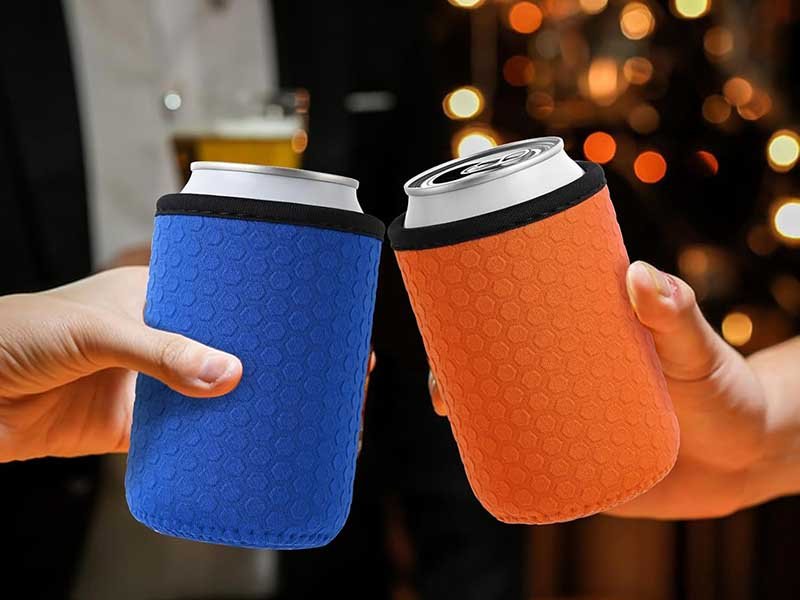
It’s a summer barbecue. You pull an ice-cold beer from the cooler, take a sip, and within minutes the can starts sweating, dripping water onto your hand and the picnic table. That’s when someone hands you a soft, colorful sleeve to slip around your drink. Instantly, it feels more comfortable to hold, and the beer seems to stay colder for longer. But here’s the question many people have asked: what exactly is that sleeve called?
A beer cooler sleeve is most commonly called a koozie in the U.S., though it’s also known as a beer sleeve, can cooler, stubby holder, or drink insulator in different regions. It’s typically made from neoprene or foam and works by insulating the can or bottle, slowing down heat transfer, reducing condensation, and keeping drinks cold longer while offering opportunities for branding and customization.
From college tailgates to weddings, koozies are everywhere—but they’re far more than just party favors. They’ve become a marketing tool, a cultural icon, and a practical accessory that connects lifestyle with branding. In the next sections, we’ll break down what a koozie really is, why it works, the materials that matter most, and how businesses can leverage them for long-lasting impact.
What Exactly Is a Beer Cooler Sleeve (a.k.a. Koozie)?
A beer cooler sleeve, commonly called a koozie, is a soft insulating sleeve designed to fit around cans or bottles. It helps keep drinks colder by reducing heat transfer and condensation. Depending on the region, it may also be called a stubby holder (Australia), can cooler (U.S.), or beer sleeve (UK).
Multiple Names, One Function
While “koozie” is trademarked in the U.S., the term has become generic—like Kleenex for tissues. Australians say “stubby holder,” Brits may call it a “beer sleeve,” and in marketing, it’s often labeled “can cooler” or “drink insulator.” The name may vary, but the purpose remains universal: keeping your drink enjoyable.
Cultural Popularity
United States: Popular at sporting events, barbecues, weddings.
Australia: Stubby holders are practically a national tradition.
Europe: Gaining ground with craft beer culture.
The koozie has crossed borders, proving its practicality and fun appeal worldwide.
Why People Care About the Name
The naming isn’t just semantics. Businesses sourcing from factories like Szoneier must know what international buyers search for. “Koozie” dominates in U.S. SEO, but “stubby holder” works better in Australia. This affects product descriptions, e-commerce listings, and ultimately sales.
Beyond a Party Favor
Koozies started as novelty giveaways, but today they are customizable lifestyle accessories. From eco-friendly fabrics to premium neoprene, they align with brand values and consumer expectations.
Which Materials Are Beer Cooler Sleeves Made From?
Beer cooler sleeves, or koozies, are typically made from neoprene, foam, polyester, or fabric blends. Neoprene offers the best durability, insulation, and print quality, while foam is cheaper but less long-lasting. Fabric and polyester sleeves are lightweight and often used for promotional giveaways. The choice of material affects insulation, lifespan, comfort, and branding potential.
When buyers source koozies, the first question after “What is it called?” is “What is it made of?”. Material defines not only performance but also cost and branding impact.
- Neoprene
- A synthetic rubber also used in wetsuits.
- Benefits: Waterproof, flexible, non-slip, durable, machine washable.
- Branding: Supports full-color sublimation and custom shapes.
- Best For: Premium products, branded merchandise, long-term use.
- Foam (Polyurethane Foam)
- Lightweight and cheap, but less durable.
- Absorbs water and can tear with repeated use.
- Best For: Low-cost promotions, single-use or short-term giveaways.
- Polyester / Fabric
- Often wrapped around foam or used for simple sleeves.
- Lower insulation but allows surface printing.
- Best For: Budget promotional campaigns.
- Stainless Steel & Hybrid Models (emerging trend)
- Premium insulated can holders with vacuum technology.
- Not technically “koozies” but competing in the same space.
- Best For: Luxury gifts or retail.
Material Comparison Table
| Material | Insulation | Durability | Cost | Branding Quality | Use Case |
|---|---|---|---|---|---|
| Neoprene | High | Excellent | Medium | Excellent (sublimation) | Premium koozies, weddings, brand giveaways |
| Foam | Medium | Low–Medium | Low | Good (screen printing) | Mass giveaways, budget events |
| Polyester | Low | Medium | Low | Moderate | Promotional campaigns |
| Fabric blends | Low–Medium | Medium | Low–Medium | Moderate | Niche styles |
| Stainless steel (hybrid) | Very High | Excellent | High | Limited (engraving) | Luxury drinkware |
How Does a Koozie Work to Keep Drinks Cold?
A koozie keeps drinks cold by insulating the can or bottle and reducing condensation. It slows heat transfer from the surrounding air and prevents “sweating,” which otherwise accelerates warming. Scientific tests show koozies can extend drink coolness by 15–30 minutes, especially in warm or humid environments.
- Thermal Insulation
- Koozies create a barrier between the drink and outside air.
- Neoprene has a thermal conductivity of ~0.054 W/m·K, which slows heat transfer significantly compared to holding a bare can.
- Condensation Control
- When a cold can meets warm, humid air, condensation forms.
- This process releases latent heat, which warms the drink.
- Koozies limit condensation by shielding the cold surface from direct air contact.
- Comfort Factor
- A dry grip = better drinking experience.
- Prevents slippery cans and wet hands, improving convenience at parties, outdoor events, and bars.
- Scientific Findings
- A University of Washington study found that cans without koozies warm 35% faster in humid conditions.
- In tests, neoprene koozies extended “cold enjoyment time” by 20–30 minutes at room temperature.
Myth vs. Reality
- Myth: Koozies actively “cool” drinks.
- Reality: They don’t add cold—they preserve it by slowing heat gain and condensation.
This distinction matters for consumer expectations and marketing messaging. Buyers sourcing from Szoneier often emphasize the comfort + branding benefits just as much as the cooling performance.
Do Koozies Fit All Types of Drinks (Cans, Bottles, Cups)?
Yes, koozies come in many shapes and sizes to fit cans, bottles, slim cans, tallboys, pint glasses, and even coffee tumblers. Standard sizes are designed for 12oz cans, but OEM/ODM manufacturers can customize koozies for nearly any drink container. This versatility makes them practical for beer, soda, energy drinks, water bottles, and promotional branding across industries.
- Standard Cans (12oz)
- The most common format, especially in the U.S.
- Nearly all koozies are made to fit 12oz cans snugly.
- Tallboy & Slim Cans (16oz, 12oz slim)
- With the popularity of energy drinks and hard seltzers, slim-can koozies are now in high demand.
- Custom neoprene designs allow flexible sizing.
- Glass & Plastic Bottles
- Bottle koozies often feature zippers or Velcro to fit tightly around longneck beer bottles.
- Great for weddings, bars, and brewery promotions.
- Pint Glasses & Cups
- Less common but growing in craft beer communities.
- Designed to slip over a glass, preventing slippery hands and warming.
- Coffee & Travel Tumblers
- Expanding beyond beer, neoprene sleeves are used on hot cups to provide grip and insulation—doubling as eco-friendly alternatives to cardboard sleeves.
Versatility Table: Drink Types vs Koozies
| Drink Type | Koozie Style | Notes |
|---|---|---|
| 12oz Can | Standard sleeve | Most common globally |
| Slim Can | Slim-fit neoprene sleeve | Popular for seltzers & energy drinks |
| Tallboy 16oz | Extended koozie | Bar & brewery favorite |
| Beer Bottle | Zippered or Velcro sleeve | Ensures snug fit |
| Pint Glass | Wide koozie | Niche, used in craft beer bars |
| Coffee Cup | Neoprene coffee sleeve | Eco-friendly, reusable alternative |
Is Neoprene Better Than Foam for Beer Sleeves?
Yes, neoprene is generally better than foam for beer sleeves. Neoprene koozies are more durable, waterproof, flexible, and offer superior print quality, while foam is cheaper but less long-lasting. Neoprene also provides better insulation and comfort, making it ideal for premium branding and long-term use. Foam remains a budget-friendly option for mass giveaways but lacks the premium feel of neoprene.
- Durability
- Foam: Tends to tear, crack, or absorb water after repeated use.
- Neoprene: Withstands years of use, resists stretching, and stays intact even after washing.
- Insulation Performance
- Both materials insulate, but neoprene’s closed-cell structure does a better job of minimizing heat transfer.
- Especially noticeable in hot or humid environments.
- Water Resistance
- Foam absorbs condensation over time, becoming soggy.
- Neoprene repels water and remains dry, offering a better drinking experience.
- Branding & Aesthetics
- Foam usually supports single-color printing.
- Neoprene allows full-color sublimation, high-resolution logos, and even custom shapes—essential for brand identity.
- Cost vs ROI
- Foam is cheaper upfront ($0.20–$0.50 per unit in bulk).
- Neoprene costs more ($0.70–$1.50 per unit), but lasts longer and creates a premium impression—meaning more brand exposure per item.
Comparison Table: Foam vs Neoprene
| Feature | Foam | Neoprene |
|---|---|---|
| Durability | Low–Medium | High |
| Insulation | Medium | High |
| Water Resistance | Poor (absorbs) | Excellent (repels) |
| Branding Quality | Limited printing | Full-color sublimation |
| Cost per Unit | Very Low | Moderate |
| ROI (Marketing) | Short-term | Long-term premium |
How Can Businesses Customize Beer Cooler Sleeves for Branding?
Businesses can customize beer cooler sleeves by choosing material (neoprene/foam), size, colors, logos, full-color printing, shapes, and packaging. OEM/ODM suppliers like Szoneier offer free design, low MOQs, and private-label options, making koozies effective promotional items for weddings, events, breweries, and corporate branding campaigns.
- Material & Thickness Choices
- Neoprene in 2–5mm thickness for premium durability.
- Foam for budget giveaways.
- Eco-friendly blends for sustainable campaigns.
- Printing & Branding Techniques
- Screen Printing: Single-color logos, cost-efficient.
- Sublimation Printing: Full-color, high-resolution designs across the whole sleeve.
- Embossing/Debossing: Premium tactile finish for luxury brands.
- Shape & Fit Options
- Standard can sleeves, slim/tallboy fits, bottle sleeves with zippers, coffee sleeves.
- Custom die-cut shapes (e.g., shaped like a football or company logo).
- Packaging & Labeling
- Retail-ready polybags, cardboard wraps, or eco-friendly kraft packaging.
- Private label and barcode integration for e-commerce readiness.
- Use Case Examples
- Breweries: Brand logo sleeves for beer launches.
- Weddings: Personalized guest favors with names/dates.
- Corporate Events: Branded koozies for giveaways or staff merchandise.
Customization Table
| Option | Neoprene | Foam |
|---|---|---|
| Printing Quality | Excellent (full-color) | Good (limited) |
| Shape Flexibility | High | Medium |
| Durability | High | Medium–Low |
| MOQ Availability | 100+ | 200+ |
| Branding Appeal | Premium | Budget-friendly |
Are Branded Koozies Effective as Marketing Tools?
Yes, branded koozies are highly effective marketing tools. They combine practicality with visibility, offering repeated exposure every time a customer uses them. Compared to disposable giveaways, neoprene koozies have a long lifespan, high retention rate, and strong ROI, making them ideal for breweries, weddings, events, and corporate promotions.
- High Retention Rate
- Unlike flyers or disposable promos, people actually keep koozies.
- Studies show promotional products with practical use are retained for 1–2 years on average.
- Cost-Per-Impression (CPI)
- A neoprene koozie costing $1 can generate hundreds of brand impressions over its lifespan.
- Compared to digital ads, the CPI is significantly lower.
- Lifestyle Integration
- Beer sleeves are naturally associated with fun, relaxation, and social events.
- This creates positive emotional associations with the brand.
- Versatility Across Markets
- Breweries, coffee shops, energy drink brands, wedding planners, and corporate marketers all use koozies.
- Their adaptability makes them one of the most universal promo items.
- Comparison: One-Time vs Long-Term Branding
- A banner is seen once.
- A koozie is used over and over again—extending brand presence far beyond the initial event.
ROI Table: Branded Merchandise Comparison
| Item | Avg. Lifespan | Retention Rate | Cost/Unit | Brand Impressions |
|---|---|---|---|---|
| Flyers | 1 day | Very low | $0.05 | <5 |
| Plastic Pens | 6 months | Medium | $0.30 | 50–100 |
| Tote Bags | 1–2 years | High | $1.50–$3.00 | 500+ |
| Neoprene Koozies | 1–3 years | Very high | $0.70–$1.50 | 300–800+ |
Conclusion: Why Source Beer Cooler Sleeves from Szoneier?
Beer cooler sleeves—known as koozies, stubby holders, or can coolers—are more than just fun party favors. They’re effective, versatile branding tools that keep drinks colder, reduce condensation, and carry logos into people’s daily lives.
At Szoneier, we combine 18+ years of neoprene expertise with advanced OEM/ODM capabilities to deliver sleeves that are practical, stylish, and fully customizable. With:
- Free design & sampling
- Low MOQ (100–300 units)
- Fast production & short lead times
- Full-color sublimation & private label packaging
- 100% quality assurance
We help breweries, brands, and event organizers worldwide turn simple koozies into powerful marketing tools.
What Can I Do For You?
Here, developing your OEM/ODM private label leather goods collection is no longer a challenge,it’s an excellent opportunity to bring your creative vision to life.