
Neoprene Waist Trainer Benefits: What Works & How To Choose
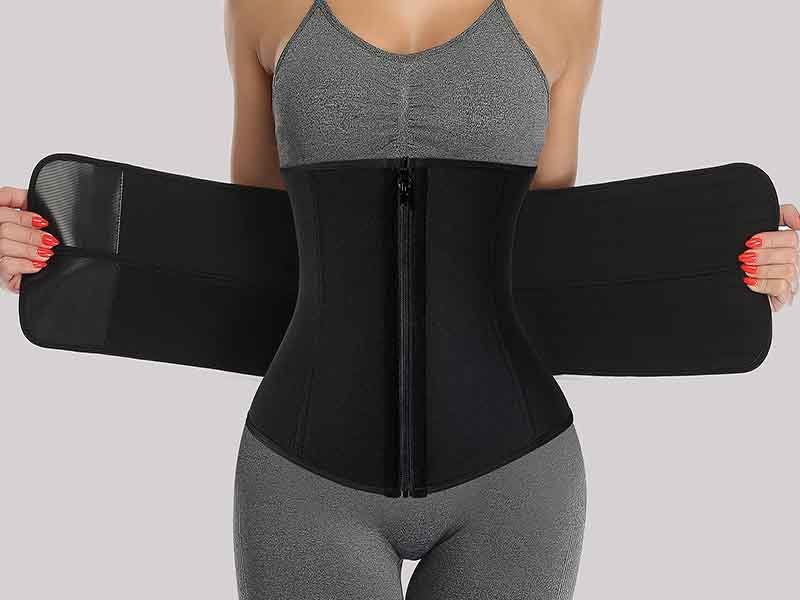
Walk into any gym or scroll fitness hashtags and you’ll spot them: sleek neoprene belts wrapped around midsections during cardio, weights, and even daily chores. The pitch sounds irresistible—more sweat, better posture, tighter waist—but which of these claims hold up in real life? For brand owners, there’s another layer: What material and design choices actually deliver value (and fewer returns) without overpromising?
A neoprene waist trainer is a stretchable, heat-retaining belt worn around the midsection to increase sweating, provide light core support, and improve posture awareness during activity. It doesn’t directly burn fat; most visible “slimness” is temporary water loss and compression. Real benefits come from comfort, breathability, consistent fit, and safe wear time. Choose quality neoprene thickness (3–5 mm), smart closures, and skin-safe linings; pair usage with training, nutrition, and recovery for sustainable results.
Here’s a clear, buyer-first guide—built for both consumers and brands—that separates genuine benefits from hype and shows how to spec a neoprene waist trainer that customers will actually love using.
What Is A Neoprene Waist Trainer And How Does It Work?
A neoprene waist trainer is a closed-cell neoprene belt that wraps the torso to retain heat, increase local sweating, and offer light compression/support. The foam’s micro-bubbles insulate; the inner jersey wicks; closures keep tension. It can remind you to brace and stand taller, but it doesn’t replace core training. Results depend on fit, thickness, breathability, and wear time.
Neoprene is a closed-cell elastomeric foam laminated to fabric jerseys. Those sealed cells trap air, offering thermal moderation (warmer micro-environment) and a cushioned, elastic feel around the abdomen. When worn, three mechanisms matter:
Thermal Retention & Sweat:
The belt slows heat loss and reduces evaporative cooling, so you sweat more locally. This is water weight, not fat loss. However, some users like the “warm-up” feeling, particularly for light cardio or mobility work.
Compression & Proprioception:
Gentle compression can cue better posture and remind you to brace (light abdominal engagement). This is not the same as structural back support; think of it as a tactile nudge rather than a brace.
Garment Fit & Confidence:
Under apparel, a well-fitted belt can smooth lines, which some users find motivating. The comfort factor—soft edges, non-scratching seams, breathable lining—often determines adherence more than any single performance metric.
Construction Basics
- Foam: 3–5 mm neoprene for most users; 2–3 mm for minimal feel; 5–6 mm for heavy sauna-style sweat.
- Jerseys: Nylon (durable, low friction) or polyester (better for prints and color).
- Closures: Hook-and-loop (Velcro), hook-and-eye rows, zippers, or combinations.
- Reinforcement: Light plastic boning or paneling prevents rolling on certain body types—but too much boning harms comfort.
- Patterns: Tapered fronts, extended backs, and hip-curve shaping improve comfort during movement.
Which Benefits Are Real—Sweating, Thermal Effect, Posture & Core Support?
Realistic benefits: more local sweating (temporary water loss), a warmer trunk sensation, and posture/brace awareness with light core support during activity. Not guaranteed: spot fat loss, permanent waist reduction, or back-pain treatment. Best outcomes happen when belts are comfortably fitted, used for workouts or short daily sessions, and paired with strength training, calorie management, and hydration.
Sweat & Thermal:
- Expect noticeably more perspiration under the belt. This may feel like “working harder,” but it reflects reduced cooling, not increased fat oxidation. Rehydrate after sessions to avoid headaches or cramps.
- Some users report a “ready to move” feel due to warmth around the midsection during warm-ups.
Posture & Awareness:
- Compression gives sensory feedback. If you slump, the belt may feel taut in the wrong places—nudging you to stack ribs over pelvis. Over time, users often report better body awareness, especially in hinge and squat patterns.
- The belt should not replace core training (planks, anti-rotation work). Think assist, not crutch.
Light Support (Not Medical):
- Thin neoprene offers gentle support. Heavier, stiff “corset” styles belong to another category (and carry higher risk of discomfort). For general fitness, flexible neoprene is the safer bet.
Mood & Habit Formation:
- Simple gear rituals can reinforce workout consistency. If the belt makes you show up, that’s a benefit—just be honest about what it can and can’t do.
When It Helps Most
- Warm-ups, light cardio, circuits where posture cues help.
- Outdoor training in cool/windy conditions to keep the trunk warm early in sessions.
- Short daily wear for posture reminders at a desk or on walks.
How Do Neoprene Trainers Compare With Latex, Spandex & Elastic Belts?
Neoprene balances comfort, thermal feel, and durability with easy cleaning. Latex cinchers compress harder but are hotter, less breathable, and risk latex sensitivities. Spandex/elastic belts are breathable and light but offer less heat retention and may roll. For most fitness users, neoprene hits the best comfort-to-benefit ratio; latex is for heavy compression aesthetics; elastic is for minimalists.
| Material | Compression | Heat/Sweat | Breathability | Skin Sensitivity | Care | Best For |
|---|---|---|---|---|---|---|
| Neoprene (CR/SCR/SBR) | Moderate, comfy | High (retains heat) | Moderate (can be perforated) | Low-moderate (check adhesives) | Wipe/hand-wash | Daily workouts, posture cueing |
| Latex | High-very high | High (hot) | Low | Higher risk (latex allergy) | Hand-wash, air-dry | Visual waist cinch, short events |
| Spandex/Elastic (no foam) | Low-moderate | Low-moderate | High | Low | Easy | Light support, minimal heat |
| Hybrid (E.g., neoprene + elastic panels) | Tunable | Medium-High | Medium | Medium | Moderate | Custom feel, better range |
Key Trade-Offs
- Comfort vs Compression: Latex cinchers shape more aggressively but can restrict breathing and cause intolerance in long wear. Neoprene offers functional warmth and cueing with fewer complaints.
- Breathability & Odor: Plain neoprene can get sweaty; perforated foam and wicking liners improve comfort. Elastic belts breathe best but lose the thermal benefit that many users want.
- Skin Compatibility: If your customers include users with latex sensitivity, neoprene becomes the safer default. Always specify skin-contact-safe adhesives and dyes.
Do Waist Trainers Burn Fat Or Mainly Offer Temporary Waist Reduction?
Waist trainers do not directly burn fat. Extra sweat = water loss, not fat loss. Visible “slimness” after a session is temporary. Sustainable fat reduction requires calorie deficit and training. Belts can support the process by improving comfort, warm-up feel, and posture, which may help users train more consistently.
What Actually Changes the Scale?
- Energy balance (intake vs. expenditure) drives fat loss. A belt doesn’t change this meaningfully; movement and nutrition do.
- Sweating more reduces body water. You’ll regain that weight after rehydration—this is normal and healthy.
Why Some Users Still Like Belts
- Warmth can make early exercises feel smoother, promoting adherence.
- Compression can cue bracing, leading to cleaner technique. Over months, better training can indirectly influence body composition.
- Behavioral anchoring: Putting the belt on signals “workout time”, a small habit that boosts consistency.
Be Honest With Claims
- Avoid promising spot reduction or permanent shaping. Instead, position belts as comfort, cueing, and routine-building tools that complement training and nutrition plans.
Is Neoprene Safe For Sensitive Skin, And What Size/Fit Is Best?
Most users tolerate quality neoprene well, especially with skin-safe linings and low-VOC adhesives. For sensitive skin, choose smooth inner jerseys, perforation for airflow, and avoid excessive tightness. Sizing should allow normal breathing: measure at the natural waist, then select a size that provides 2–4 inches (5–10 cm) of adjustable overlap without pinching or rolling.
Skin Safety Considerations
- Prioritize low-odor, low-VOC lamination and colorfast, skin-friendly dyes.
- Choose inner jerseys that are smooth (nylon or fine-denier poly) and wicking.
- Add edge binding and flat seams to avoid hot spots.
- Offer a wash-before-first-use note for sensitive users.
Fit Principles
- Measure at the narrowest torso point (usually above the navel).
- Good fit = snug but comfortable, deep breaths possible, no sharp pinching.
- The belt shouldn’t bulge above/below; if it rolls, either it’s too short/tall, or the size is off.
- Consider short, regular, tall torso options to match body lengths.
Indicative Size Guide (varies by brand; use as planning)
| Natural Waist (in) | Natural Waist (cm) | Suggested Size |
|---|---|---|
| 24–26 | 61–66 | XS |
| 27–29 | 69–74 | S |
| 30–32 | 76–81 | M |
| 33–35 | 84–89 | L |
| 36–39 | 91–99 | XL |
| 40–43 | 102–109 | 2XL |
| 44–47 | 112–119 | 3XL |
Comfort Boosters
- Perforated neoprene or mesh zones for airflow.
- Antimicrobial finishes on linings for odor management.
- Tapered patterns that respect hip flare and rib shape.
When to Avoid or Pause Use
- Open rashes, sunburn, or known dermatitis—wait to heal.
- Pregnancy or medical conditions: consult a healthcare professional before use.
- Any numbness, tingling, dizziness during wear—loosen or remove immediately.
Which Features Matter Most—Thickness (mm), Boning, Closures, Breathability & Odor Control?
Aim for 3–5 mm neoprene for comfort and heat; use perforations or mesh for airflow. Choose reliable closures (wide Velcro or zipper + internal stays) and minimal, flexible boning to prevent rolling without digging. Add anti-odor liners and edge binding. For heavy sweat use, prioritize washability and quick-dry.
Thickness & Foam Grade
- 3 mm: Light warmth, maximum mobility—great for cardio/desk wear.
- 4 mm: Balanced heat + support—popular all-rounder.
- 5–6 mm: Sauna-style sweat, heavier feel; ensure ventilation to avoid discomfort.
- CR or high-quality SCR foams recover shape better and smell less than low-grade SBR.
Boning/Stays
- Use thin, flexible plastic stays at the back/sides to prevent rolling. Avoid stiff steel boning for fitness belts; it’s for fashion corsets, not training.
- Stitch stays into reinforcement channels with bar-tacks at ends.
Closures
- Hook-and-loop (Velcro): Fast, adjustable, cost-effective; specify high-cycle loop and moderated hook aggressiveness to reduce jersey snagging.
- Zippers: Clean look, consistent tension; add an internal elastic panel for adjustability and a zipper garage for comfort.
- Hybrid: Zipper for structure + Velcro wing for micro-adjustment—premium feel.
Breathability & Odor Control
- Perforated foam increases airflow without losing structure.
- Wicking inner jerseys (nylon or poly with moisture management).
- Antimicrobial treatments or silver-ion finishes (optional; confirm compliance).
- Encourage rinse/air-dry habits to keep odor at bay.
Edge & Seam Engineering
- Flat seams or zigzag with soft thread to reduce chafe.
- Soft edge binding (15–20 mm) to shield skin from raw foam.
- Use colorfast, low-bleed inks for logos in hot/sweaty conditions.
Feature Selector (Quick Matrix)
| User Goal | Recommended Spec |
|---|---|
| Maximum comfort for cardio | 3–4 mm, perforated foam, wide Velcro |
| Anti-rolling for curvy waists | 4 mm, 2–4 flexible stays, hybrid closure |
| Heavy sweat “sauna” feel | 5–6 mm, wicking liner, zipper + vents |
| Under-clothes smoothing | 3 mm, zipper, minimal bulk seams |
How Should You Use One—Workouts, Daily Wear Duration, And Do’s/Don’ts?
Use during warm-ups, cardio, or light circuits for 30–90 minutes, then remove, cool down, and rehydrate. For daily posture cueing, limit to 1–3 hours. Do not over-tighten or sleep in it. Pair with core training and nutrition for real results. If you feel shortness of breath, dizziness, numbness, or skin irritation, loosen or remove immediately.
Suggested Use Windows
- Workouts: 30–90 minutes. Start at the low end and assess comfort.
- Desk/Posture: 1–3 hours max; take breaks to breathe and move.
- Not for sleep or all-day tight wear.
Training Pairings
- Excellent with walking, cycling, light jogs, circuits, mobility, and warm-ups.
- During heavy lifts, keep tension moderate to avoid altering breathing/bracing patterns.
Hydration & Skin Care
- Rehydrate after sessions; consider an electrolyte drink if sweat is heavy.
- Rinse the belt and air-dry; shower and moisturize if skin feels dry.
Cleaning
- Hand-wash in cool water with mild detergent; avoid bleach/softeners.
- Air-dry flat, away from direct sun and heaters.
Do/Don’t Quick Table
| Do | Don’t |
|---|---|
| Wear snug, not painfully tight | Use as a fat-burn shortcut |
| Breathe normally; test deep inhales | Wear while sleeping |
| Limit session length | Ignore irritation or dizziness |
| Pair with core training & nutrition | Substitute for medical back support |
| Wash & air-dry regularly | Dry on radiators/tumble dry |
How Do Brands Customize For OEM/ODM—Logos, Materials, Packaging, MOQ & Lead Times?
Brands can tailor foam thickness (3–6 mm), perforation, lining, stays, and closures, plus logos via screen print, heat-transfer, silicone patches, or sublimation panels. Typical MOQ: 200–500 pcs/SKU; sampling in 7–10 days; production in 20–35 days post-approval. Build in REACH/Prop-65/OEKO-TEX compliance, QC plans, barcodes, and retail packaging early for smooth launches.
Spec Menu (Szoneier Capabilities)
- Materials: CR/SCR neoprene; perforated or solid. Inner nylon/poly jerseys (including recycled options).
- Thickness: 3, 4, 5, 6 mm standard (others by request).
- Closures: Wide Velcro, zipped hybrids, multi-panel wraps, adjustable wings.
- Reinforcement: Flexible stays, laminated stability panels.
- Branding: Screen print, heat-transfer film, silicone/PVC badges, woven/embroidered patches; sublimation on poly jerseys.
- Finishes: Anti-odor/antimicrobial options (on request, compliance-checked).
- Packaging: Recycled poly, kraft bands, window boxes; insert cards with care instructions; barcode/QR ready.
Illustrative OEM Pricing (EXW, indicative)
| Spec Scenario | MOQ | Unit Range (USD) |
|---|---|---|
| 3 mm SCR, wide Velcro, printed logo | 300 | $4.20–$6.20 |
| 4 mm CR, perforated, heat-transfer logo | 300 | $5.80–$8.50 |
| 5 mm SCR, zipper + Velcro hybrid, 2 stays | 300 | $7.90–$10.90 |
| 6 mm CR, antimicrobial lining, silicone badge | 300 | $9.50–$13.50 |
Notes: Final quotes depend on foam grade, print coverage, packaging, and logistics.
Lead Times & Workflow
- Brief & Tech Pack: Target users, thickness, closure, sizes, branding, packaging, compliance targets.
- Sampling (7–10 days): Fit/comfort validation + print strike-offs.
- Production (20–35 days): Cutting, lamination, stitching, branding, QC.
- Logistics: Carton optimization, labeling, export docs.
Compliance & QC
- Chemical: REACH, Prop-65 risk assessment (for CA), OEKO-TEX components, low-VOC adhesives.
- Mechanical: Stitch density, Velcro peel strength, zipper cycles, stay retention, dimensional tolerance.
- Human Factors: Fit trials across sizes, hot-spot checks, odor/hand-feel assessment.
- Labeling: Care labels, fiber content, country of origin, barcodes.
QC Checklist (Share with your team)
- Seam appearance & thread trims
- Hook-and-loop life cycles and snagging potential
- Colorfastness (sweat, rub, UV as applicable)
- Odor/VOC acceptance level
- Dimensional tolerance (±0.5–1.0 cm typical)
Reference Tables
A) Feature Priority by User Profile
| User | Top Priorities | Sane Trade-Offs |
|---|---|---|
| Cardio Enthusiast | 3–4 mm, perforated, wide Velcro | Skip heavy boning |
| Strength Trainer | 4 mm, hybrid closure, anti-roll stays | Avoid extreme compression |
| All-Day Desk User | 3 mm, breathable liner, tapered cut | Limit wear to 1–3 hrs |
| Sauna-Style Sweater | 5–6 mm, wicking liner, vents | Hydrate, limit duration |
B) Fast Spec Cheatsheet
| Goal | Foam | Closure | Liner | Branding |
|---|---|---|---|---|
| Value SKU | 3 mm SCR | Wide Velcro | Nylon | Screen print |
| Core SKU | 4 mm SCR/CR | Hybrid | Wicking nylon | Heat-transfer |
| Premium SKU | 5–6 mm CR | Zipper + Velcro | Antimicrobial | Silicone badge |
C) Care Card (Put In Box)
- Hand-wash cool; mild detergent; air-dry flat
- Do not bleach/iron/tumble dry
- Wear snug, not tight; limit session length
- Stop use if irritation or breathing discomfort occurs
Why Szoneier?
Szoneier is a China-based neoprene specialist with 18+ years of R&D + manufacturing. We produce neoprene bags, koozies, covers, wetsuits—and performance accessories like waist trainers—for custom, private label, OEM/ODM clients worldwide.
What you get:
- Low MOQ & fast sampling for faster launches
- Material & fit engineering (perforation, liners, stays, closures)
- Print & packaging tuned for retail and DTC unboxing
- Compliance support (REACH, Prop-65, OEKO-TEX components)
- Reliable lead times and tight QC
Ready To Develop A Waist Trainer Your Customers Will Actually Use?
Tell us your target user, foam thickness, closure style, size range, branding, and budget. We’ll return mockups, a BOM-based quote, and a sampling plan—so you can launch with confidence.
What Can I Do For You?
Here, developing your OEM/ODM private label leather goods collection is no longer a challenge,it’s an excellent opportunity to bring your creative vision to life.