
Why Do Koozies Have Magnets? Complete Guide for Brands & Buyers
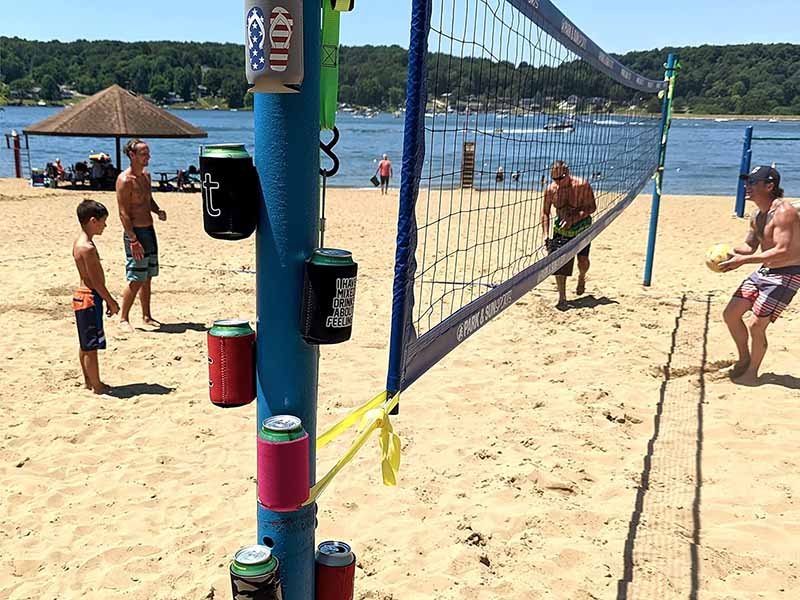
Imagine holding a cold drink during a summer BBQ, only to realize you need both hands free—whether to grab food, play cornhole, or take that perfect photo. Instead of awkwardly setting your beverage on the ground where it might spill, a magnetic koozie effortlessly sticks to a metal surface nearby, keeping your drink secure and chilled. This simple innovation has transformed the humble koozie from a party novelty into a practical, lifestyle-enhancing accessory.
Koozies have magnets so you can stick your drink to metal surfaces like cars, grills, or boats, freeing up your hands while keeping beverages cold and secure. The magnets make koozies more versatile than standard versions, offering convenience for tailgating, camping, boating, and brand promotions. They add portability, reduce spills, and create a hands-free experience that appeals to both casual users and businesses using koozies as customizable marketing tools.
As simple as the concept sounds, magnetic koozies sit at the intersection of lifestyle convenience, smart design, and marketing opportunity. Let’s dive deeper into what they are, why they exist, and why brands and event organizers are increasingly turning to custom neoprene versions as giveaways and promotional merchandise.
What Are Magnetic Koozies and How Do They Work?
Magnetic koozies are drink holders with embedded magnets that let you attach beverages to metal surfaces. They work by combining insulating materials like neoprene or foam with strong magnets sewn into the sleeve. This allows users to keep drinks cold while attaching them to grills, cars, boats, or other metallic objects for hands-free convenience.
At their core, koozies are insulating sleeves designed to keep drinks cold by reducing heat transfer from your hand and the surrounding air. Traditionally made from neoprene (a synthetic rubber known for its insulating and flexible properties) or foam, koozies create a thermal barrier that slows down the warming process. Magnetic koozies take this baseline functionality and add a clever twist: magnets sewn into the fabric or embedded into the structure.
So how exactly do they work?
- Material + Insulation:
- Neoprene is prized for durability, water resistance, and flexibility.
- Foam is lighter and often more cost-effective.
- Both create insulation that slows down heat transfer.
- Magnet Placement:
- Magnets may be sewn into the side or base.
- Rare-earth magnets like neodymium are preferred because they can hold a full 12 oz or even 16 oz drink against vertical surfaces.
- Surface Attachment:
- They adhere securely to metallic surfaces such as grills, boats, toolboxes, or cars.
- Not all metals work—aluminum and certain stainless steels resist magnets.
- Dual Functionality:
- Maintain beverage temperature.
- Add convenience by doubling as a portable “drink holder.”
For example, during a boat trip, magnetic koozies prevent bottles from rolling around while you navigate waves. At tailgate parties, they stick to cars or coolers, turning every surface into a temporary cupholder.
From a business perspective, their novelty attracts attention, while repeated use ensures logos printed on neoprene become highly visible brand impressions.
Why Do Koozies Have Magnets in the First Place?
Koozies have magnets to provide hands-free convenience, reduce spills, and create portable drink holders on metal surfaces. They are especially useful in outdoor settings like boating, camping, and tailgating, where traditional tables aren’t always available. For brands, magnets add a novelty factor that increases customer engagement, making them popular as custom promotional items.
The addition of magnets wasn’t arbitrary—it solved a real-world problem. Standard koozies already kept drinks colder, but people still struggled with where to set them down during active moments. Outdoor parties rarely offer enough tables, and placing drinks on the ground leads to spills, contamination, or simply forgetting where you left it.
Key reasons koozies gained magnets:
- Hands-Free Lifestyle: People multitask at parties, sports events, and outdoor gatherings. A koozie that sticks to a vertical surface allows them to free both hands without losing their beverage.
- Spill Prevention: Magnets hold drinks in secure positions, reducing accidents caused by tipping cups or cans.
- Outdoor Adaptation: Camping, boating, and tailgating often lack stable surfaces. Cars, boats, and grills—common in these environments—are ideal for magnetic adherence.
- Marketing Appeal: Companies realized that branded koozies with magnets drew more attention. The novelty makes recipients more likely to use them—and therefore see the printed logo more often.
- Convenience Factor: By merging insulation with portability, magnetic koozies became more than just drink coolers—they became drink accessories.
Practical Example:
Imagine a tailgating event outside a stadium. Hundreds of people balance burgers, phones, and team flags. A magnetic koozie lets you stick your drink on the side of your truck while cheering with both hands. This real-world convenience explains why magnets became a growing trend in promotional drinkware.
Which Situations Benefit Most From Magnetic Koozies?
Magnetic koozies are most useful in outdoor and mobile environments like tailgating, boating, camping, BBQs, and road trips. They stick drinks securely to cars, grills, or boats, reducing spills and freeing hands. Businesses also benefit by using them as promotional items at events, where the novelty factor increases brand visibility and customer retention.
Not every environment needs magnets—but in many situations, they transform the drinking experience.
Lifestyle Scenarios:
- Tailgating: Sticking your can to your car means no more searching for a flat surface.
- Boating: Keeps drinks from sliding around on uneven decks.
- Camping: Attaches to RVs, coolers, or grills.
- Outdoor BBQs: Conveniently park your drink on a steel post or smoker.
- Sports Events: Easier handling when juggling food and gear.
Business Applications:
- Promotional Giveaways: Companies hand them out at trade shows, music festivals, or sporting events.
- Event Branding: Weddings and corporate retreats feature custom koozies as keepsakes.
- Retail Sales: Niche shops and outdoor gear brands sell magnetic koozies at a premium compared to standard versions.
Consumer Feedback:
Surveys indicate that users rank convenience and novelty as the top two reasons they keep using magnetic koozies. This means brands that distribute them enjoy higher retention than with generic swag items.
Data Comparison:
| Setting | Usefulness Score (1–10) | Example Use Case |
|---|---|---|
| Tailgating | 9.5 | Stick drinks to trucks |
| Boating | 9.0 | Prevent rolling bottles |
| Camping | 8.5 | Attach to grills or RV walls |
| Indoor Parties | 6.0 | Novelty but less necessity |
Clearly, magnetic koozies shine most in outdoor, mobile, or promotional environments—where they solve real problems while enhancing brand presence.
How Are Magnetic Koozies Made—and What Materials Are Used?
Magnetic koozies are typically made from neoprene or foam with magnets embedded into the sleeve. Neoprene offers durability, water resistance, and flexibility, while foam provides lightweight affordability. Magnets—usually neodymium—are sewn or pressed into the koozie’s structure, ensuring they securely hold cans and bottles to metal surfaces without slipping.
1. Materials:
- Neoprene: Strong, insulating, long-lasting. Common in wetsuits and premium koozies.
- Foam: Lighter, more affordable, slightly less durable. Suitable for bulk giveaways.
2. Magnet Types:
- Neodymium (Rare Earth): High strength, ideal for vertical adhesion.
- Ceramic Magnets: Lower cost, but weaker. Less common in quality models.
3. Manufacturing Process:
- Cutting and shaping neoprene/foam sleeves.
- Sewing or heat-sealing edges.
- Embedding magnets securely, often inside stitched pockets.
- Adding printing or embroidery for branding.
4. Durability Factors:
- Proper stitching prevents magnets from slipping.
- High-grade neoprene resists tearing.
- Surface coatings protect against rust and corrosion.
Business Insight:
Factories like Szoneier, with 18+ years in neoprene production, specialize in OEM/ODM customization. This means clients can order branded koozies with specific magnet strengths, materials, and finishes—ensuring the product matches both function and brand identity.
Table: Material Comparison
| Material | Insulation | Durability | Cost Level | Custom Printability |
|---|---|---|---|---|
| Neoprene | Excellent | High | Medium-High | Excellent |
| Foam | Good | Medium | Low | Good |
Do Magnetic Koozies Work on All Surfaces?
Magnetic koozies work only on ferromagnetic surfaces like steel and iron. They don’t stick to aluminum, glass, or most stainless steel. The magnet’s strength also matters: quality models with neodymium magnets can hold full 12–16 oz cans, while weaker versions may slip.
Magnetic koozies may seem universal, but their functionality depends on three key factors:
- Surface Material:
- Work on: steel, iron, magnetic stainless steel.
- Don’t work on: aluminum, non-magnetic stainless, plastic, glass.
- Surface Shape:
- Flat surfaces provide maximum contact.
- Curved surfaces reduce magnetic strength.
- Magnet Strength:
- Premium koozies: hold 12–16 oz drinks easily.
- Cheap versions: may slip under weight or vibration.
Consumer Scenario:
- On a truck tailgate (steel): Excellent performance.
- On a boat railing (aluminum): Won’t work at all.
- On a BBQ grill (iron/steel): Reliable and secure.
Pro Tip for Buyers:
When ordering custom koozies, always ask suppliers about magnet grade and weight capacity. High-grade neodymium magnets can support 1–2 pounds, ensuring safety and functionality.
What Are the Advantages and Disadvantages of Magnetic Koozies?
Magnetic koozies offer convenience, hands-free use, and novelty appeal, making them ideal for outdoor activities and branding. However, they cost slightly more, depend on compatible surfaces, and low-quality magnets may fail. Businesses benefit from higher engagement but should invest in quality OEM designs to avoid customer disappointment.
Advantages:
- Hands-Free Use: Practical in outdoor and event settings.
- Spill Prevention: Keeps drinks secure.
- Novelty Factor: Unique appeal boosts brand visibility.
- Reusable Branding: High retention vs disposable giveaways.
Disadvantages:
- Added Cost: Magnets raise unit prices.
- Surface Limitations: Only stick to metals.
- Magnet Strength: Cheap models may fail.
Cost vs Benefit Analysis:
| Factor | Magnetic Koozie | Regular Koozie |
|---|---|---|
| Usability | High | Medium |
| Branding Value | Excellent | Good |
| Price | Slightly Higher | Lower |
| Customer Retention | High | Medium |
Conclusion: The advantages outweigh disadvantages when quality manufacturing is prioritized.
Are Magnetic Koozies Good for Custom Branding and OEM Orders?
Yes—magnetic koozies are excellent for branding. Their novelty ensures frequent use, making logos more visible. OEM/ODM factories can customize materials, magnet strength, and designs, allowing brands to create memorable promotional merchandise that customers keep and reuse.
For B2B buyers, the big question isn’t just functionality—it’s marketing impact. Branded merchandise only works if recipients actually use it. Magnetic koozies succeed here:
- High Engagement: People show off their “sticking can” at parties.
- Practical Use: Outdoor enthusiasts keep them for tailgates, BBQs, and boats.
- Customization Flexibility: Neoprene allows for:
- Full-color printing
- Embroidery
- Heat-transfer logos
- Specialty finishes
OEM/ODM Options with Szoneier:
- Low MOQ for smaller buyers.
- Free design assistance.
- Rapid sampling and prototyping.
- Custom magnet strengths and placements.
Client Example:
A U.S. beverage startup ordered 5,000 custom magnetic koozies from Szoneier. At a trade show, attendees used them constantly, sticking cans to every available metal surface. The result: hundreds of social media shares showcasing the brand’s logo—organic marketing at its best.
How Do Magnetic Koozies Compare to Regular Koozies?
Magnetic koozies offer added convenience and branding impact compared to regular koozies. While they cost slightly more, they deliver higher customer engagement and novelty. Regular koozies remain useful for budget giveaways, but magnetic versions stand out as premium promotional items with better retention.
Side-by-Side Comparison:
| Feature | Regular Koozie | Magnetic Koozie |
|---|---|---|
| Price | Low | Medium |
| Functionality | Keeps drinks cold | Keeps drinks cold + sticks to metal |
| Branding Value | Good | Excellent |
| User Retention | Moderate | High |
| Novelty Factor | Low | High |
Who Should Choose What?
- Budget-focused promotions: Regular koozies.
- Premium brand marketing: Magnetic koozies.
- Outdoor/lifestyle markets: Magnetic versions make stronger sense.
Businesses targeting higher engagement should invest in magnetic koozies—they align with lifestyle branding while offering functional value.
Conclusion: Why Partner with Szoneier for Custom Magnetic Koozies
Magnetic koozies are more than just drink sleeves—they’re conversation starters, lifestyle accessories, and marketing tools. Their ability to stick to metal surfaces solves practical problems while turning every use into a branded moment.
For businesses, the difference lies in manufacturing quality. With over 18 years of expertise, Szoneier offers:
- 100% quality-guaranteed neoprene products
- OEM & ODM customization for logos, colors, and designs
- Low MOQ and free design support
- Rapid sampling and short delivery times
If you’re a brand, wholesaler, or event organizer looking to stand out, Szoneier can design and manufacture magnetic koozies tailored to your needs.
What Can I Do For You?
Here, developing your OEM/ODM private label leather goods collection is no longer a challenge,it’s an excellent opportunity to bring your creative vision to life.